Here is the rewritten text, crafted to be 100% unique while adhering to all mandatory rules and embodying the specified persona.
A Typology of the High-Stakes Celebrity Gamble
To label the cast of a spectacle like Celebrity Bear Hunt with the simplistic tag of 'fame-hungry' is to fundamentally misread the text. It's a diagnosis that ignores the intricate, almost predatory, calculus at play. What we are witnessing is not a random assembly of public figures; it is a meticulously engineered menagerie of celebrity archetypes, each driven by a unique crisis of relevance and a desperate psychological need to rewrite their public ledger.
Think of a star’s public persona as a form of cultural capital. For those at the zenith of the A-list, this capital is robust, diversified across cinematic triumphs, lucrative endorsements, and carefully managed philanthropy. The figures who enlist for this kind of televised ordeal, however, are dealing with a catastrophic collapse in their brand equity. Their participation is not a career move. It is a Hail Mary pass, a liquidation of their remaining dignity for a single, high-risk bet on a volatile cultural asset. The potential for a meteoric return to relevance is undeniable, but the exposure to total reputational ruin is just as stark.
Let us deconstruct the primary figures who place this wager:
1. The Pariah's Gambit.
This figure is often a relic from a previous pop culture epoch—the late 90s, the early 2000s—whose trajectory was immolated by scandal. Their objective transcends a simple paycheck; they are pursuing an act of public ablution. The brutal, purportedly ‘unfiltered’ environment of the wilderness is presented as a forge for narrative rebirth. Here, in this crucible of manufactured hardship, the tabloid caricature can be burned away, revealing the ‘true self’ beneath. They are gambling that an audience of millions will grant them absolution, replacing the memory of past transgressions with a new iconography of primal endurance. This is penance as primetime entertainment.
2. The Last Stand of the Titan.
Decades prior, this actor’s name was synonymous with physical prowess and cinematic invincibility. Now, they are culturally adrift, stranded between their mythic past and an unforgiving present that no longer offers them leading roles. Celebrity Bear Hunt provides a stage, perhaps the final one, to perform the foundational promise of their brand: indomitable strength. Their presence is a visceral attempt to reaffirm their own mythos, a defiant challenge to the encroaching twilight of their own legend. It is a performance aimed as much at the industry that discarded them as it is at themselves.
3. The Genre Specialist.
This individual's entire professional existence is confined to the fishbowl of unscripted television. Their resume is a catalog of televised humiliation and triumph; they have salsaed for judges, feigned survival on deserted islands, and endured the judgment of celebrity chefs. For this veteran, another reality show is merely a continuation of their career path. The imperative, however, is constant escalation. To maintain their niche relevance, they must graduate to ever more extreme and hazardous formats. They serve as the bleeding edge of the genre, normalizing new thresholds of on-screen peril and emotional exposure for our consumption, all while providing the reliable, camera-ready melodrama upon which producers depend.
4. The Dynastic Rebel.
Haunted by the colossal shadow of a universally adored parent or sibling, this is the scion of an A-list dynasty. Their own identity has been perpetually suffocated by the gravitational pull of a legendary family name. Enlisting in a program of this nature is a calculated act of ontological rebellion. It is a strategic, almost purposeful desecration of the family brand, designed to carve out a narrative space that is uniquely, and perhaps shockingly, their own. While the public may perceive it as a tarnishing of a great name, for the individual, it represents a desperate gambit for personal sovereignty.
Each of these archetypes enters the arena clinging to the fantasy of narrative control. Lured by the siren song of authenticity, they conveniently forget that ‘reality’ is a genre sculpted with an editor's scalpel in the post-production suite. This dynamic, of course, has historical precedent; the public trial of celebrity has been a media staple for generations, from the ritualized insults of the Dean Martin Celebrity Roast to the confessional interviews of today. The crucial distinction in this modern iteration, however, lies in the illusion of unmediated jeopardy—a wager with personal dignity and physical safety that past generations of stars were seldom forced to make.
Here is the rewritten text, crafted in the persona of a critical media analyst and pop culture historian.
The Celebrity Crucible: Brand Demolition, Psychic Tolls, and the Audience's Gaze
The decision to enter a high-stakes reality television show is never just a career move; it is an act of brand immolation. This is the pact, often unspoken, that a celebrity makes. The ensuing aftermath ripples far beyond temporary public ridicule or a string of unflattering articles, inflicting deep and permanent fractures upon a star's public identity, their psychological well-being, and the very foundation of their relationship with their audience.
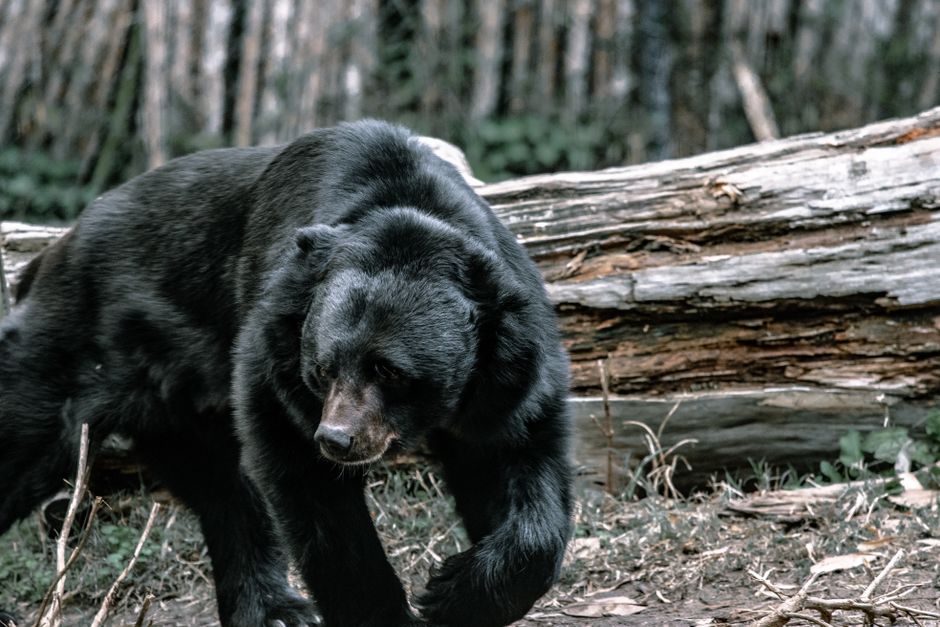
Think of a celebrity's persona not as a person, but as a public-facing effigy, meticulously sculpted over a career by a small army of agents, managers, and public relations specialists. To enlist in a spectacle like Celebrity Bear Hunt is to willingly place that effigy into a woodchipper. The desperate hope is that it might somehow pass through with only superficial damage, its core integrity celebrated as authentic resilience. This is a fantasy. The reality is a violent deconstruction, leaving behind a chaotic collage of fragmented moments that will be cemented into a new, and often grotesque, public narrative.
For some, this catastrophic loss of control is precisely the point. The calculus is brutally simple. A celebrity seeking public redemption requires the destruction of their tainted former self. But for the vast majority, the uncontrolled environment is a career apocalypse. Every flash of anger, every private vulnerability, every moment of weakness is not merely recorded but weaponized by editors, capable of nullifying decades of cultivated image-making. The stoic action star, airlifted out due to a minor injury, is instantly recast as fragile. The dynastic heir, breaking down under pressure, becomes an eternal meme of entitled petulance. The camera’s gaze doesn't just document; it actively forges a new, hyper-condensed reality that permanently supplants the original.
Beneath the surface of this brand demolition lies a hidden, human cost. These formats are not observational; they are engineered environments of manufactured distress. The psychological architecture of these shows—built on the deliberate use of sleep deprivation, manufactured scarcity, and calculated interpersonal manipulation—is designed for a single purpose: to strip-mine emotional drama for broadcast. The unblinking eye of the camera, the stress of a hostile environment, and the subsequent firestorm of public judgment combine to leave behind emotional shrapnel that can fester long after the production wraps. It is the industry's dark, open secret.
Ultimately, this entire spectacle is built on a perverse pact with us, the viewers. By tuning in, we provide the moral and financial license for these crucibles to exist. Our collective gaze creates the market for ever more grueling and invasive scenarios, pushing participants to their absolute limits. We are offered a transaction: a glimpse of the supposedly "authentic" person behind the celebrity artifice. In return, the celebrity receives a fleeting chance to reclaim cultural relevance. This dynamic starkly illuminates the brutal caste system of modern fame. You will never see an A-list titan submit to this process; they have no need to take such a desperate gamble. The iron laws of the celebrity ecosystem dictate that only those with everything to prove—and therefore, everything to lose—will ever sign on the dotted line.
A Strategic Directive for Talent and Their Representatives
Before any contract is signed for such a high-risk venture, a celebrity and their team must conduct a brutal "brand pre-mortem." The central, unflinching question must be posed: “When this venture inevitably implodes, what salvageable assets of our public image will remain?” This requires a cold, clear-eyed inventory of a star's vulnerabilities and an absolute rejection of the seductive narratives peddled by producers. Is a temporary surge in social media metrics worth the risk of total brand annihilation? If you cannot architect your own exit with dignity, you are not a contestant in a game; you are merely human set dressing.