32 Articles in this category
You see a pashmina as the ultimate symbol of quiet luxury, a soft drape for your shoulders. But what if its most powerful use isn't as a shawl, but as a sophisticated, all-natural thermostat for your body's most critical zone? Forget fleeting trends; the ancient practice of wearing a pashmina turban is a masterclass in thermal science and effortless well-being. From the high altitudes of the Himalayas to the modern urban landscape, the principles of textile science remain unchanged. We've become accustomed to viewing headwear through the narrow lens of fashion or cultural identity, overlooking its profound role as a tool for personal climate control. This article strips away the stylistic veneer to reveal the remarkable engineering of pashmina fibers and why wrapping your head in this material is one of the most intelligent, ancestral forms of 'bio-hacking' available to us.
That gaudy Art Deco brooch you inherited might be more than just a pretty accessory. Tucked away in jewelry boxes across the world are pieces made from some truly wild materials—think plastic derived from milk and even glass that glows under a blacklight because it’s radioactive. Before you dismiss your vintage finds as simple 'costume' pieces, let's uncover the forgotten science that makes them truly remarkable. As a collector who lives for the story behind the object, I find that the real treasure isn't just the design, but the audacious, experimental, and sometimes downright bizarre materials that artisans and chemists of the past used to craft these miniature works of art. This is where history, chemistry, and fashion collide.
You've felt it before: the surge of confidence from a sharp blazer or the creative spark from a favorite necklace. This isn't just a feeling; it's a neurological event. New research reveals how the clothes on your body are actively changing your brain, and we'll show you how to dress for the mind you want. The phenomenon, known as 'enclothed cognition,' suggests that our clothing is not a passive covering but an active interface with our mind. It's the scientifically-backed reason why a doctor’s white coat can measurably increase their focus. This article delves into the neuroscience behind your wardrobe, exploring how you can strategically use apparel and accessories to enhance focus, spark creativity, and build unshakable confidence from the brain outwards.
You've likely admired a chandi ring for its intricate patterns and cool, luminous shine. But what if the right design could do more than just adorn your hand? In Vedic tradition, silver ('chandi') is the metal of the Moon, and choosing a specific design isn't just a matter of style—it's a way to channel planetary energy for clarity, emotional balance, and prosperity. As a cultural anthropologist who has spent years tracing the intersections of gemology and Jyotish (Vedic astrology), I've observed a profound truth: the structure of your jewelry is as important as the material it's made from. This article moves beyond surface-level appreciation to explore how the specific geometry and symbolism of a chandi ring can function as a personalized tool for energetic alignment, turning a simple accessory into a powerful talisman for navigating your life's path.
We've all scrolled through the glossy tours of sprawling celebrity estates, envying the home theaters and walk-in closets the size of a studio apartment. But behind the marble and bespoke furniture lies a surprising truth: even with an unlimited budget, it's easy to make a multi-million dollar mistake. We're looking past the glamour to reveal the most common design regrets of the rich and famous, and what their impractical choices can teach you about creating a home you'll actually love to live in. Forget aspiration; this is an intervention. We're dissecting these architectural follies to save you from making scaled-down versions of the same errors.
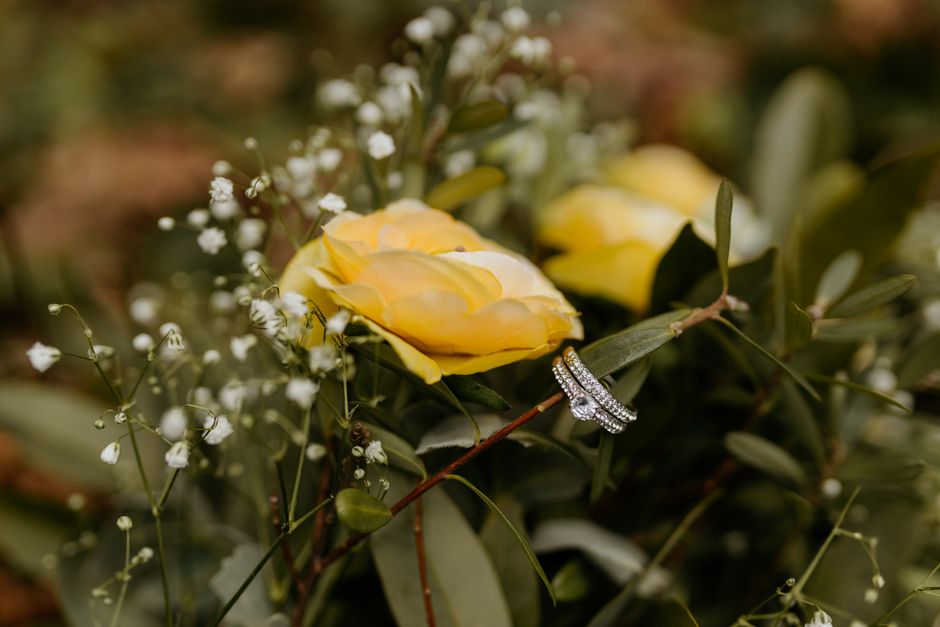
You know the tradition: fourth finger, left hand, a direct line to the heart. But look around. Notice the surgeon who wears their ring on a necklace, the widow who has moved it to her right hand, or the creative who stacks it on their index finger. A wedding ring's placement is more than just a custom; it's a dynamic, personal story told without a single word. This simple metal band has evolved from a static symbol of ownership into a fluid, expressive piece of our personal grammar. As a cultural anthropologist, I've observed that we are in the midst of a fascinating ritualistic shift. We are no longer just wearing rings; we are using them to broadcast nuanced messages about our identity, our professions, and the very nature of our partnerships. This article is your guide to reading this silent language.
Forget the paparazzi shots outside Carbone. The true celebrity experience in New York isn't about being seen—it's about the intricate system that allows them to disappear. What if the most exclusive spots aren't the ones with a velvet rope, but the ones you'd walk right by without a second glance? This isn't a guide for autograph hunters. It's a look under the hood at the city's real social machinery, the invisible infrastructure of normalcy that allows people who live their lives under a global microscope to simply... be. It's a map not of locations, but of an unspoken treaty between the famous and the city that, for the right price and the right attitude, agrees to look the other way.
You’ve seen it online and stamped on a beautiful pair of earrings: '925 Gold'. It sounds like the perfect blend of quality and affordability, but this popular marking hides a crucial secret the jewelry industry banks on you not knowing. Before you make your next purchase, let's separate the marketing magic from the material fact. This isn't an article about a new, exciting gold alloy. This is a public service announcement. '925 Gold' is one of the most pervasive and misleading terms in the jewelry world, a clever piece of linguistic sleight-of-hand designed to make you believe you're getting more gold for your money. The reality is far less glittering. We're going to dismantle this term, expose what you're truly buying, and arm you with the knowledge to distinguish between a fleeting trend and a lasting treasure.
You won't find Detroit's biggest names behind a velvet rope. While tourists hunt for flashing lights, the city's true A-listers—from rock stars to sports heroes—are more likely found on a worn barstool in Corktown or in a quiet booth at a generations-old restaurant. Forget the clubs; we're revealing the real, unglamorous map to where Detroit's celebrity culture actually lives and breathes. For years, I've poured drinks, managed floors, and watched the city's rhythm from behind the bar. I've seen visiting movie stars get turned away from exclusive parties only to end up having the night of their lives over a basket of perch at a place with no sign. This city doesn't trade in glitz. It trades in grit, in history, in a shared understanding that what's real is more valuable than what's shiny. This isn't about shunning success; it's about defining it on our own terms. The real celebrity scene here is a whisper, not a shout, and if you want to find it, you have to learn to listen.
You cherish your sunny citrine birthstone, a symbol of warmth and abundance for November. But what if the golden gem you're wearing holds a hidden, purple past? We're uncovering the jewelry industry's biggest open secret: most citrine on the market is not what it seems, and we'll show you exactly how to spot the difference. For years, I've watched countless well-meaning consumers purchase vibrant, orange-hued 'citrine' with the belief they are buying a naturally golden gemstone. As a gemologist and a staunch consumer advocate, it's my mission to pull back the curtain. This isn't about shaming a common industry practice; it's about demanding transparency and empowering you, the buyer, with the knowledge to make an informed choice. Let's delve into the fascinating, and often misleading, world of the November birthstone.
Everyone knows April's birthstone is the diamond, a symbol of everlasting brilliance. But in the 21st century, the most important question isn't about cut or clarity—it's about creation. The choice you make between a diamond pulled from the earth and one grown in a lab tells a powerful, and deeply personal, story about the world you want to live in. As an insider who has seen both sides of the curtain, I can tell you that this decision is no longer a fringe consideration; it is the central conversation in modern jewelry. This isn't about saving money. It's about defining what 'precious' truly means to you.
We associate emeralds with ancient royalty, power, and untouchable value. But the truth is, the majority of emeralds sold today have been artificially fractured, filled with oil, or grown in a lab—a fact the market often obscures. Before you invest in May's birthstone, you need to understand the one secret Cleopatra knew: authenticity is everything. For years, I graded these stones in a GIA lab, watching certificates get printed for gems whose natural beauty was buried under layers of resin and deception. Now, I'm telling you what the industry doesn't want you to know. This isn't just about a green stone; it's about reclaiming the definition of value.
You grab your keys every single day without a second thought—a jumble of metal that unlocks your life. But what if that functional object also held the key to your most cherished memories? The Pandora keyring is more than just a stylish way to avoid losing your car keys; it's a quiet revolution in how we carry our stories with us, moving our most precious emblems from the delicate wrist to the durable reality of our daily grind. This is not a demotion for our treasured charms; it is, in fact, their ultimate promotion. It’s the philosophical shift from storytelling as performance to storytelling as an integrated, resilient part of our very being.
Forget what you know about birthstones dug from the gentle earth. The vibrant green peridot has a far more violent and cosmic story, having been forged in the planet's molten heart and found glittering in the wreckage of fallen meteorites. This isn't just the birthstone for August; it's a testament to survival from the most extreme corners of the universe. While other gems form in the crust, peridot is an outsider—a crystal born in the inferno of the upper mantle and sometimes delivered to us as an extraterrestrial passenger. It’s a stone that has traveled further and endured more than almost any other, carrying within its vibrant green facets the secrets of planetary formation and the silence of deep space.
For centuries, the opal has been called 'unlucky,' a fragile gem prone to cracking under pressure. But in a world tired of indestructible perfection, what if this vulnerability is actually its most powerful feature? This isn't a story about a delicate birthstone—it's about why embracing the 'flawed' and unpredictable nature of the opal is the ultimate power move for anyone born in October. It represents a shift in our cultural values, away from flawless diamonds and towards a beauty that is earned, cared for, and unapologetically real.
When you picture the garnet, January's birthstone, you likely see a deep, wine-red gem. But this singular image is one of history's greatest deceptions, as the garnet is actually the ultimate chameleon of the gem world, masquerading as everything from fiery orange sapphires to lush green emeralds. For centuries, this mineral family has hidden in plain sight, its members mistaken for more famous counterparts. As a gemologist and historian, I've seen this deception play out in auction houses and antique markets. It’s time to pull back the curtain and reveal the spectacular truth about this underappreciated gem.
Finding out you share a birthday with Beyoncé or Einstein is a fun piece of trivia, but what if it's more than just a coincidence? We analyzed the lives of thousands of famous figures and discovered surprising patterns linking those born on the same day, suggesting your birth date might hold clues to your own potential. It's time to look past the list and decode the success blueprint hidden in your birthday. This isn't about astrology; it's about biography. It's about recognizing that the date you entered the world might be less of a random lottery ticket and more of a foundational operating system, pre-loaded with certain tendencies, challenges, and pathways to mastery.
You've typed 'James Avery near me' and Google has dutifully pointed the way. But the real destination isn't just a store; it's the start of a story, a tradition, a memory waiting to be made tangible. Before you go, discover the secrets to transforming a simple shopping trip into a cherished experience you'll remember every time you glance at that new charm or ring. This isn't about directions or store hours. This is a guide to intention. We live in an age of frictionless, one-click purchases, but some things—the truly significant things—deserve friction. They deserve a pilgrimage. A James Avery piece isn't just an accessory; it's a future heirloom, a marker of a moment. And the story of that heirloom begins not when you wear it, but in the moments you spend choosing it.
We choose jewelry to express who we are, but what if the piece itself already has a soul? A factory-made necklace is a silent object, but a handmade creation carries the echo of its maker's hands, heart, and intention. We're not just talking about aesthetics; we're talking about the invisible story that makes handmade jewelry more than an accessory—it's a connection. This is the transfer of spirit from creator to creation, a phenomenon that imbues a simple object with a history before it even meets its owner. It becomes a talisman, a piece of a person, a story forged in fire and silver.
For decades, the flash of a Cartier Love bracelet or the tell-tale blue of a Tiffany box was the ultimate status symbol. But in the hushed corridors of real wealth, a quiet revolution is underway. The new pinnacle of luxury isn't a logo you can spot from across the room; it’s the bespoke piece with a story no one else knows. This isn't about austerity; it's about a profound shift in the very definition of value. The broadcast signal of mass luxury is being replaced by a highly encrypted, personal frequency understood only by those who matter. It's a move from a statement of purchasing power to a testament of personal narrative and discerning taste.
You've been told a GIA certificate is your diamond's ironclad guarantee, the ultimate seal of approval. But what if the most expensive mistakes aren't in what the report says, but in what it doesn't scream from the page? We're pulling back the curtain on the subtle codes and 'in-between' grades that can make or break your diamond's true value and beauty. As a GIA-trained professional who has seen it all, I'm here to translate the fine print that separates a good diamond from a great one—and a fair deal from a costly error. We'll move beyond the 4Cs and into the territory of the true connoisseur, ensuring the diamond you bring home is every bit as brilliant as its paperwork suggests.
Imagine a lavish ancient Greek symposium, wine flowing freely without a single worry of a hangover. Their secret wasn't a mythical elixir, but the deep purple gemstone you might be wearing right now. We'll uncover the fascinating history behind amethyst's name, which literally means 'not intoxicated,' and explore whether this ancient belief holds more than just a drop of truth. As a gemologist, I've seen countless stones, but none carries a story quite like amethyst—a tale of divine rage, piety, and a very practical party solution. We will journey from the vineyards of ancient mythology to the modern jewelry box, separating the magic from the material and discovering why this purple quartz remains so captivating.
You just typed 'Pandora store near me' into your search bar, likely looking for a quick gift or a new charm. But before you follow the GPS to the closest pin on the map, understand this: not all Pandora sellers are created equal. We'll show you the hidden perks—from free jewelry cleaning to exclusive collection access—that you can only get by visiting the right kind of store. As someone who has spent years behind the polished glass counters of luxury retail, I can tell you that the difference between a transaction and an experience is everything. Buying a piece of jewelry should feel special, whether it's a $50 charm or a significant investment. The location you choose dictates that feeling. This guide isn't just about finding a store; it's about upgrading your entire Pandora journey from a simple purchase to a memorable, value-added experience.
We see aquamarine and think of tranquil seas or the March birthstone. But what if its true value lies in its ancient lore as the 'sailor's stone'—a charm for clarity and courage? In an age of endless notifications and digital storms, this gemstone's history offers a powerful, tangible reminder to navigate our own chaotic waters with a calm mind. This isn't about superstition; it's about symbolism. In our world, the treacherous seas are metaphorical. They are the endless streams of information, the high tides of social media comparison, and the disorienting fogs of misinformation. We are all sailors now, navigating a digital ocean that threatens to overwhelm our senses. This article explores how a simple piece of aquamarine jewelry can serve as our modern-day talisman—an anchor of intention in a sea of distraction.
Before you judge a diamond by its carat or clarity, consider this: the belief that it symbolizes eternal love was masterfully crafted by an advertising agency in the 1940s. That single campaign reshaped our culture, but today, a quiet revolution is happening. We're now asking if a diamond's true worth lies not in its manufactured rarity, but in its verifiable origin and personal meaning. This article deconstructs the architecture of that myth and analyzes the new pillars of value—conscience, creation, and connection—that are defining the modern diamond for a new generation of consumers. We are moving beyond the jeweler's loupe and into an era where a gem's story is its most brilliant facet.
Everyone tells you to focus on the 4Cs when buying a diamond, but that's exactly what Blue Nile wants you to do. The real secret to getting the best value isn't finding the 'perfect' diamond on paper; it's finding the 'perfect' diamond for the price by identifying the flaws the system overvalues. Forget the standard advice—we're going to show you how to game their algorithm to get a visually stunning ring for hundreds, or even thousands, less. Blue Nile is a massive database, not a boutique jeweler. Its pricing is driven by algorithms that apply premiums and discounts based on a diamond's GIA report data. This automation is its weakness, and it’s our opportunity. We're going to bypass the crowded, overpriced search results for 'VVS1, G Color' stones and dive into the overlooked inventory where true value is hiding in plain sight. This guide provides a step-by-step process for exploiting the data points the average buyer ignores, allowing you to pay for what you see, not what's written on a certificate.
In a world saturated with elaborate halos and intricate pavé bands, the simple solitaire engagement ring can feel... predictable. But what if its quiet simplicity isn't a safe choice, but a radical statement? We'll explore why, in an age of 'more is more,' choosing a single stone is the ultimate act of self-assured rebellion.
For decades, the diamond has been the undisputed king of April birthstones, a dazzling symbol of forever. But what if 'forever' comes with a complicated past and an unsustainable price tag? We're pulling back the curtain on the diamond's reign and revealing the brilliant, conscious alternatives that truly capture the clarity and strength an April baby deserves. This isn't about shunning beauty; it's about redefining it. It's time to trade marketing-fueled tradition for mindful authenticity and discover the gems that resonate with the values of today, not the advertising campaigns of yesterday.
That delicate gold necklace in the velvet box carries a price tag that feels impossibly indulgent. But what if the real luxury isn't the item itself, but the lifetime of wear it offers? We've been trained to see fine jewelry as an expense, when we should be seeing it as the ultimate solution to the endless, costly cycle of fast fashion. This isn't about extravagance; it's about strategic acquisition. By shifting our focus from the initial price to the long-term cost-per-wear, we can dismantle the false economy of disposable trends and build a wardrobe portfolio that genuinely serves us—financially, stylistically, and sustainably.
It sits in the back of your jewelry box: a necklace with an initial that's no longer yours, a bracelet engraved with a date you'd rather forget. This piece, once a symbol of connection, now feels like a beautiful, silent weight. Before you decide to bury it forever, what if you could reclaim its story and transform its meaning entirely? As a former jeweler, I've seen firsthand how these small, precious objects can anchor us to the past in ways we don't always recognize. They are not just metal and stone; they are condensed stories, holding joy, love, and sometimes, profound pain. The challenge isn't the object itself, but the narrative it enforces every time you glance at it. This guide is for anyone who feels that friction. It’s a practical and compassionate map to navigate your options, helping you decide whether to gently rewrite a chapter, start a new book, or simply close the cover with grace.
Look past the sparkle in your jewellery box. That tarnished locket from your grandmother, the cheap friendship bracelet from college, the first 'real' pearls you bought yourself—these aren't just objects. They are silent storytellers, and if we don't give them a voice, their history will be lost forever. As a personal historian, I've seen countless families lose their most intimate histories because the stories tied to physical objects were never recorded. Your jewellery collection isn't a measure of wealth; it's a library of your life, with each piece a bound volume waiting to be read. This guide is your key to unlocking that library, transforming inert metal and stone into a living, breathing testament to your family's journey.
You’ve memorized the 4 Cs and think you're ready to buy a diamond engagement ring. For ten years, I watched people like you walk into my store, and I knew a secret: your obsession with the main stone is exactly what we count on. The real money, and your biggest potential savings, isn't in the diamond—it's in everything surrounding it. We call the 4 Cs—Cut, Color, Clarity, and Carat—the 'Distraction'. They keep you laser-focused on a complex, emotional commodity while we quietly build our profit in the fifth, unspoken C: Cost. This 'C' is constructed from the platinum settings, the tiny side stones, and the brand name on the box. This is where the game is won or lost for your wallet, and I'm here to show you how to win.